

Amsterdam for the newly landed
Places checked:
The suitcase is unpacked. The room is yours. And now: the strange, quiet part nobody warns you about, where you have a city and no life in it.
This is not a guide to Amsterdam’s museums. You’ll get to the Rijksmuseum eventually, probably when your mum visits. This is the other guide — the one about the bike, the €4 dinner, where people your age actually are on a Thursday, and how to turn a city full of strangers into a city with your people in it. (If you don’t have the room yet, that’s the other half: our honest guide to finding one, and surviving the hospiteeravond that decides it.)
That last part takes about three months. Here’s how to make it two.
Week one: the bike is not optional
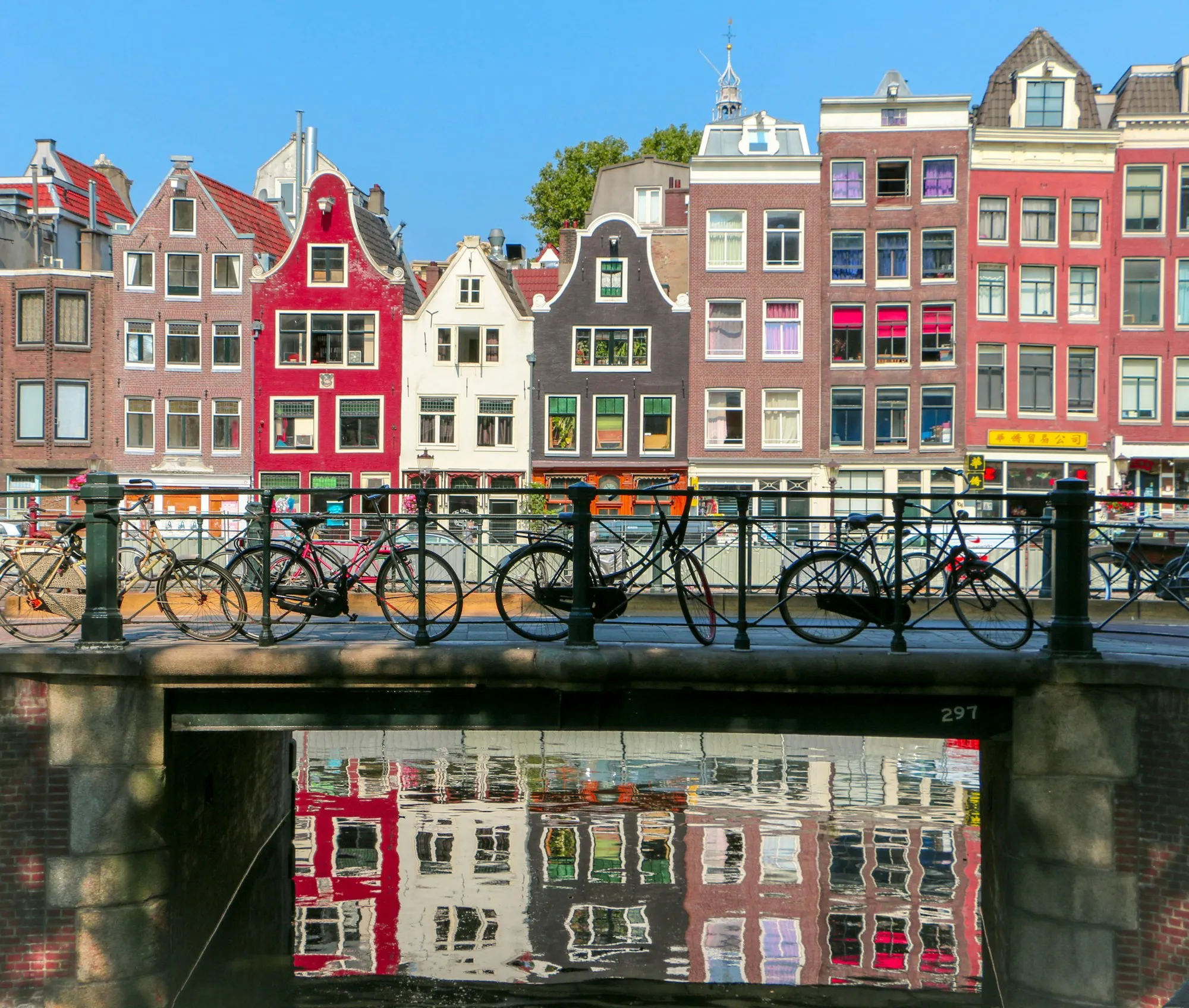
It isn’t a hobby here, it’s a limb. Amsterdam is flat, small, and hostile to every other way of moving through it. The good news: the whole city is twenty minutes away from the rest of the city.
Never buy from someone on the street. If a person near a station or outside a bar wants €30 for a bike, that bike belongs to somebody. Beyond the ethics: buying stolen goods can land you a fine of a few hundred euros, and the bike will be terrible.
Marktplaats and Facebook Marketplace: the standard route. Expect to pay from about €50 — under that you're buying a problem with wheels. Ask for the frame number and, if the seller has it, the original purchase document.
BikeFair checks its bikes against police records for theft, which removes the exact anxiety that makes second-hand shopping unpleasant here. Costs more than a Marktplaats gamble; costs less than a gamble that doesn't pay.
Swapfiets — around €16.50 a month at the time of writing, blue front tyre, repairs and theft handled. It's the student default for a reason: your bike is somebody else's problem forever. €180 a year sounds like a lot until your third bike disappears.
New and cheap: Decathlon and the like, around €150.
The lock is not where you save money. Spend 30–50% of the bike's value on locks, and use two. Tens of thousands of bikes vanish in this city every year. The local joke is that your bike gets stolen in the morning and you can buy it back at Waterlooplein in the afternoon — funny exactly once.
And a warning nobody gives internationals: the bike lanes have rules, and Dutch cyclists enforce them with the bell. Ride on the right, signal with your arm, don’t stop dead in the lane, and don’t cycle four abreast talking. The bell isn’t rage. It’s punctuation.
Your bike will be stolen. Plan for it emotionally, budget for it financially, and buy the better lock anyway.
Where to eat when you’re broke
Which, right now, you are — you just paid a deposit and a first month at the same time.
The rules first:
Avoid Leidseplein and Rembrandtplein for food. They're full of people, which reads as a good sign and is the opposite of one. Those are the squares tourists eat on.
The market is the cheapest good meal in the city. Albert Cuypmarkt for produce and street food; every neighbourhood has its own market day.
Albert Heijn is not a defeat. The salads, the fresh bread in the morning, the dip section. A picnic in the park costs €5 and is somehow the best thing you'll do that week.
Carry a card, not cash. Much of the city is cashless, and some places genuinely won't take your notes.
Student ID is money. Discounts everywhere, quietly, if you ask.
And the specific places (prices are rough and change; check before you go):
- Skek — student-run, generous portions, and a student discount that makes the maths absurd. Also a live music venue and a gallery for young artists, which tells you the kind of place it is.
- Café ’t Gasthuys — a brown café where lunch and dinner both land in the “wait, really?” range. Deeply cosy, not a scene.
- Sugo — pizza by the slice, a few euros, the definition of a good decision at 3pm.
- Spaghetteria — pasta that isn’t trying to be anything else, at a price that respects you.
- Taco Cartel, Van Woustraat — De Pijp, Mexican street food, no ceremony.
- Foodhallen (De Hallen) — a converted tram depot full of counters. Not the cheapest option on this list, but it’s the easiest place to bring six people who all want different things, which is worth more than €3.
Thursday nights
Here’s the thing about Amsterdam nightlife that nobody tells you and that changes everything: Thursday is the night. Friday and Saturday belong to weekend visitors and stag parties. Thursday belongs to the people who live here — which, now, is you.
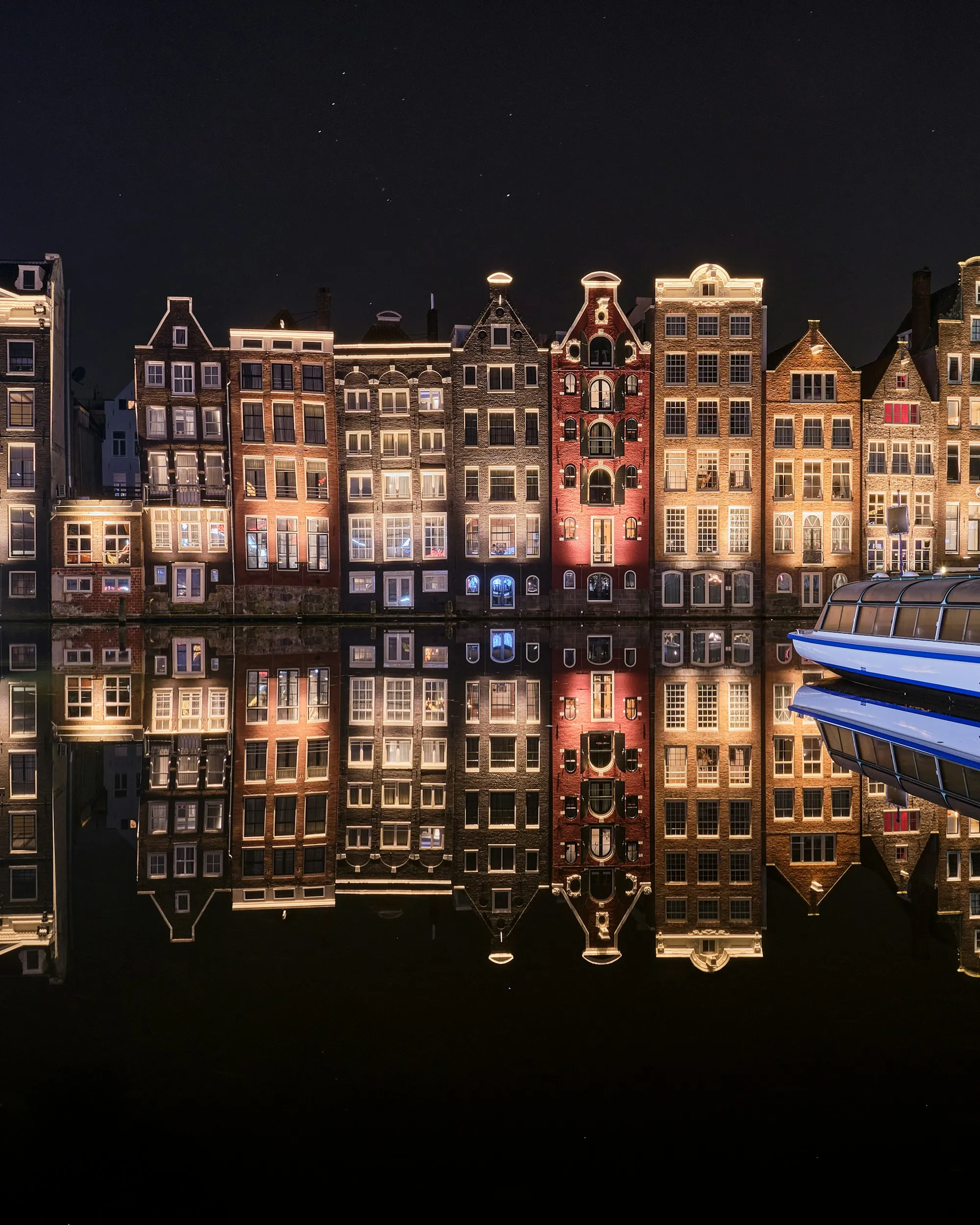
And the structural fact underneath it all: a number of Amsterdam venues hold 24-hour licences. This is not a detail. It’s why the city’s club culture is genuinely one of Europe’s best, why nights don’t end because a law says so, and why “we’ll see how it goes” is a legitimate plan here.
By vibe, honestly:
- Techno and the serious stuff: Shelter, across the IJ — a free ferry ride and a completely different night. Radion, Doka, Thuishaven, Lofi and BRET all live in the same universe, each with its own crowd.
- The mid-size institutions: Melkweg and Paradiso — both former something-elses (a dairy, a church), both booking everything from big indie names to club nights. Paradiso in particular is the venue everyone in this city has a story about. Techno Tuesdays at Melkweg and Cheeky Monday for drum and bass are the recurring nights worth knowing.
- Radio Radio, in the old gasworks at Westergasterrein — small, grassroots, part of a bigger cultural site with galleries and cafés around it. The antidote to the big rooms.
- Westerpark generally — the whole area is bars, cafés and venues in a park, and it’s where a lot of students and young professionals default to before anyone has decided anything.
- Brown cafés (bruine kroegen) — the other nightlife, and the one that will actually get you friends. Dark wood, cheap rounds, no music you have to shout over. Worth more to you in month one than any club.
Practicalities: many clubs run 21+ on weekend nights, so check before you cross the city. Bring ID always. Bring your student card. And if you’re here in October, Amsterdam Dance Event turns the entire city into a venue for five days — the year’s easiest week to meet people, because everyone’s out and nobody’s local.
Friday and Saturday are for people leaving on Sunday. Thursday is for people who live here. The difference in the room is immediate.
Sunday with your flatmates
The day that decides whether your flat is a house or a hallway.
- Vondelpark is the default and there’s no shame in it. Picnic, run, lie on the grass, watch the city do the same. It’s the lowest-effort way to gather people ever invented.
- The markets: Albert Cuypmarkt on a Saturday, Waterlooplein for things you didn’t know you needed, and the IJ-Hallen flea market in Noord when it’s on — enormous, and a genuinely good group plan.
- Noord, via the free ferry behind Central Station. It takes four minutes, it costs nothing, and it feels like leaving the country. The best cheap adventure available to you.
- The terrace, when the sun appears. Understand this properly: the Dutch relationship with a sunny day is not casual. The moment the sun is out, everything empties into terraces and parks. Cancel your plans. This is the plan.
- The hangover version: a brown café, a table by the window, and four hours of nothing. This is gezellig, and gezellig is the entire point — as we wrote in our guide to living with Dutch flatmates.
How to actually meet people
The honest part, and the reason this guide exists.
You’ll get told to “put yourself out there”, which is useless. Here’s what actually works, in order:
Pick one repeating thing and go four times. A sports club, a class, a choir, a language café, a volunteering shift. Friendship in this city is not built at events, it's built by recurrence — the fourth time you see someone is when you stop being strangers. One thing, four times, beats ten different events.
The language café. Amsterdam Language Café runs single-language nights at Koentact on Wednesdays and an all-languages party at De Hallen on Fridays. A room full of people who also just moved here, all of whom explicitly came to talk to strangers. There is no lower-risk social environment in the city.
Volunteer. Buurtbuik rescues surplus food and cooks community meals — a mix of Dutch people and internationals, doing something together, which is the fastest bond there is.
Sports clubs. The Dutch are relentlessly sporty and the club structure is real. Rowing, football, climbing, bouldering, whatever. You get a shared thing to talk about handed to you for free.
Meetup, with caution. It's uneven here — some groups thrive, some are ghost towns. Look for established groups with real, recent activity, and prefer a specific interest over "expats in Amsterdam".
Become a regular. One café, one bar, same day, same time. "Aren't you usually here on Tuesdays?" is how a shocking number of friendships in this city start.
Say yes to every borrel. After-work drinks, house drinks, someone's colleague's thing. Borrel is the load-bearing social institution here, and the invitation matters more than the event.
The honest caveat about expat groups: they’re excellent entry ramps and terrible destinations. Use them for two or three months to get your feet down, then get out into things that aren’t organised around being foreign. The internationals who are still exclusively in expat groups at year two are the ones who leave saying the Dutch were cold.
And the structural truth: Dutch social life runs on the calendar. “We should get coffee sometime” evaporates here. “Coffee Tuesday?” happens. Propose the specific day — it feels aggressive coming from a spontaneity culture, and it reads as normal and kind here.
The last thing
Your first month will be lonely. Not because there’s anything wrong with you or the city — because you have no recurrence yet. No regular anything. No one who expects to see you.
That’s a scheduling problem, not a personality problem. It takes about six weeks to fix, and everything on this page is a way of fixing it faster.
Why we’re telling you this
Because the loneliest part of moving here isn’t the paperwork or the room. It’s the gap between having an address and having a life — and the single biggest lever on that gap is who you live with.
Your flatmates are your default plan. The Sunday, the borrel, the person who says “we’re going, come”. loro matches people on how they actually live — mornings, guests, rhythms, what a Sunday looks like — so that the flat you land in comes with a life attached, not just a room.
We’re launching in the Netherlands soon.
loro is coming to the Netherlands. Be first in the flock →
you're in. we'll be in touch before launch.
Frequently asked, honestly answered
Last updated
Photographs by Sávio Félix, Gaurav Jain, Filip Živaljić and Pedro Cunha on Unsplash.