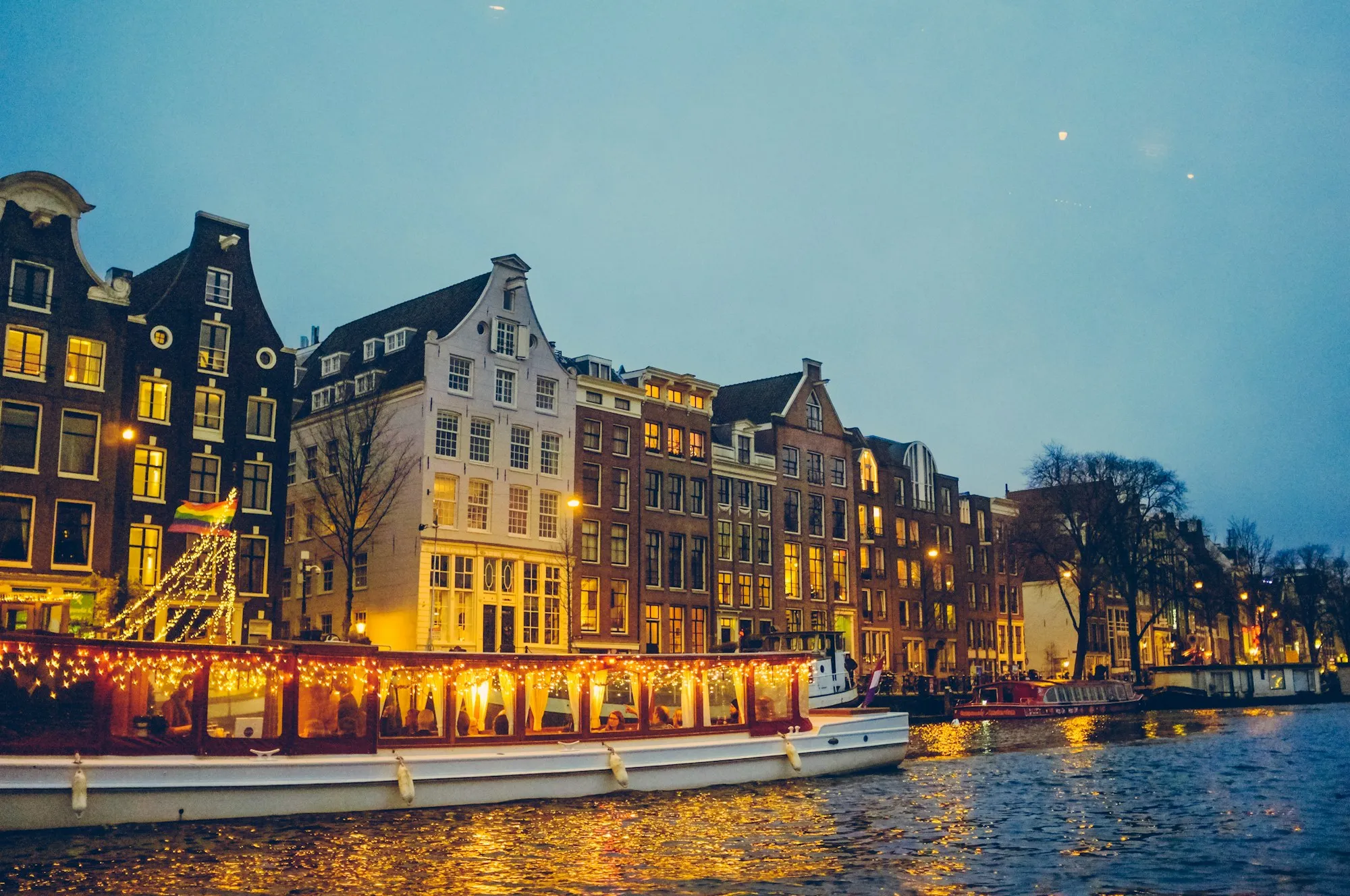


Finding a room in Amsterdam: the honest guide
Everyone will tell you the Amsterdam housing market is hard. Nobody tells you how it’s hard, or what to actually do about it.
So: no false hope, no “just start early!” energy. Here’s what the search really looks like, what things really cost, what the law is quietly on your side about, and how to be the person a flat says yes to.
The numbers, honestly
According to Kamernet’s rent report for the first quarter of 2026, the median room in the Netherlands costs €660 a month — about 3% more than a year before. Amsterdam is the most expensive city in the country, and room prices here average around €850 a month, depending heavily on the neighbourhood and how many people you’re sharing with.
What that number hides:
- “All-in” can mean anything. Some rents include gas, water, electricity, internet. Some include nothing. Always ask what’s underneath the number — and there’s a legal reason to, which we’ll get to.
- The deposit is usually one month, sometimes two. Budget for rent + deposit + first month of everything at once.
- Prices peak with the academic year. Rents climb going into September and settle over winter. The same room genuinely costs less in February.
The search takes three to six weeks if you’re lucky and doing everything right. Plan for that. Everyone who tells you they found a place in a weekend is either lying or has a Dutch aunt.
The calendar nobody hands you
Amsterdam’s room market has a season, and it’s brutal in exactly one direction:
May–June: quiet, and the best-kept secret. People leaving in July are already searching for replacements. Less competition per room than at any other point.
July–September: the wave. Every international student in the country lands at once. Most rooms, most competition, highest prices. If this is when you're arriving, accept it and move faster than everyone else.
October–January: thins out fast. If you land here, you have an advantage nobody talks about.
February: the second wave — smaller, second-semester arrivals.
If you can start looking a month before you need to move, do. If you can’t, skip to the part about being fast.
Where people actually search
We’re going to be honest about this, including about the places that aren’t us:
- Kamernet — the biggest by far, mostly paid, and where most rooms surface first. The volume is real; so is the noise.
- Facebook groups — “Amsterdam housing”, expat groups, university groups. Free, fast, and where the majority of scams live. Treat every post accordingly.
- WhatsApp groups and word of mouth — the best rooms in this city never get posted anywhere. They get filled by someone’s flatmate’s friend. This is the actual market, and it’s invisible until you’re in it.
- Student housing (SSH, DUWO) — if you’re eligible, register the day you’re accepted. The queues are long and start counting from the day you sign up, not the day you need a room.
- Anti-kraak — cheap, legal, and precarious: you live in an empty building as a caretaker, on very short notice to leave. Right for some people, wrong for most.
Notice the pattern: the good stuff moves through people, not through search bars. Which is why the fastest thing you can do in your first week is meet people — even before you have a room.
Neighbourhoods, without the tourist brochure
- "I want to live in the centre" → you don't. It's expensive, loud, and full of people on stag parties.
- "I'll take anything within the ring" → the ring is not the border of Amsterdam, and treating it that way costs you €200 a month.
Pick by how you want to live, then find the neighbourhood. Amsterdam is small and flat. A 20-minute bike ride is not a commute here — it's a normal Tuesday.
Roughly, and with apologies to every neighbourhood we’ve flattened into one line:
- De Pijp — busy, social, lots of young people, pay for it.
- Oost — the current sweet spot: green, mixed, still reachable prices, excellent food.
- West / De Baarsjes / Bos en Lommer — where most internationals end up and where most of the good flatshares are.
- Noord — cheapest of the lot, free ferry, genuinely a different feeling of city. The people who live there love it and won’t shut up about it.
- Nieuw-West / Zuidoost — the most room for your money. Further out, well connected by metro, and increasingly where the interesting stuff is happening.
(We wrote a whole separate guide on what to actually do in each of these — where to eat, where to go out, where to meet people in your first month.)
The part nobody tells internationals: your rent has a legal maximum
This is the single most useful thing in this article, so read it twice.
In the Netherlands, a room in a shared house — legally, onzelfstandige woonruimte — has a legally binding maximum rent. It’s calculated with a points system based on the size of your room, your share of the shared spaces, the WOZ value of the building, the energy label, and the facilities. It’s not a suggestion and it’s not negotiable by the person renting it out.
The Huurcommissie — the national rent tribunal — has a free calculator called the Huurprijscheck, and since late 2024 it’s available in English. You enter the details, it tells you the legal maximum for your room.
What you can do with that:
- You have six months from the start of your rent to challenge the price. Filing costs about €25. No lawyer. If the ruling goes your way, the reduction applies retroactively to day one.
- As of July 2025, even people already renting can request a reduction if they’re paying above the maximum for their points.
- “All-in” rent that’s never split into base rent, service costs and utilities cannot legally be raised at all — because nobody can verify what the base rent even is.
- The renters’ union (Woonbond) puts it bluntly: charging €800 for an eight-square-metre room is not legal. It happens constantly anyway.
Why doesn’t everyone do this? Because internationals don’t know it exists, because the calculator is in English but the procedure itself runs in Dutch, and because people are scared of annoying the person they rent from. The fear is understandable. The law doesn’t care about it — retaliation for filing is not allowed.
Do the check before you sign — we wrote a step-by-step guide to it. It takes ten minutes and it’s the difference between a fair rent and paying someone’s mortgage.
If a room costs €800 and it’s eight square metres, that’s not the market. That’s just someone hoping you won’t check.
The two things that will actually get you a room
1. Registration. You need to register your address with the gemeente — inschrijven — within five days of arriving. No registration means no BSN, and no BSN means no bank account, no health insurance, no salary, no phone plan. And yet: rooms advertised with “no registration possible” are everywhere in Amsterdam. Some people take them anyway because they’re desperate. Understand exactly what you’re giving up before you do, and ask about registration in your very first message — not after you’ve fallen in love with the place.
2. Speed, plus being a person. The rooms that matter get dozens of replies within hours. But almost all of those replies are identical — “hi, is the room still available?” — which means being slightly human puts you in the top five instantly. Two short paragraphs: who you are, how you live, one specific thing showing you actually read what they wrote. No CV. No formal letter. No AI-flavoured paragraph — Dutch people spot both from space.
And if you get invited to meet the flat, you’re going to a hospiteeravond — the Dutch group interview where the roommates pick the person. It deserves its own guide, so we wrote one.
The red flags — non-negotiable
Anyone asking for money before you've seen the place in person. A "reservation deposit", a "viewing fee", a "guarantee" over bank transfer. This is the scam. It is always the scam.
A viewing where nobody who lives there is present.
Being asked for your passport or BSN before there's anything to sign.
A rent that's suspiciously good. Amsterdam does not do favours to strangers on Facebook.
Pressure to decide tonight.
(Full scam guide here — read it before you transfer anyone anything.)
Why we’re building loro
Everything above is a workaround for one broken assumption: that the room is the thing you’re choosing.
It isn’t. You’re choosing the people you’ll share a kitchen with for a year — and you’re being chosen by them. The Dutch worked this out decades ago and built the hospiteeravond around it. The search platforms then buried it under filters for square metres and price per month.
loro matches people on how they actually live — rhythms, habits, the small things — before anyone talks about rooms. Because who you live with matters more than where.
We’re launching in the Netherlands soon.
loro is coming to the Netherlands. Be first in the flock →
you're in. we'll be in touch before launch.
Frequently asked, honestly answered
Last updated
Cover photograph by Teo Zac on Unsplash.